Wabi Sabi, my further thoughts
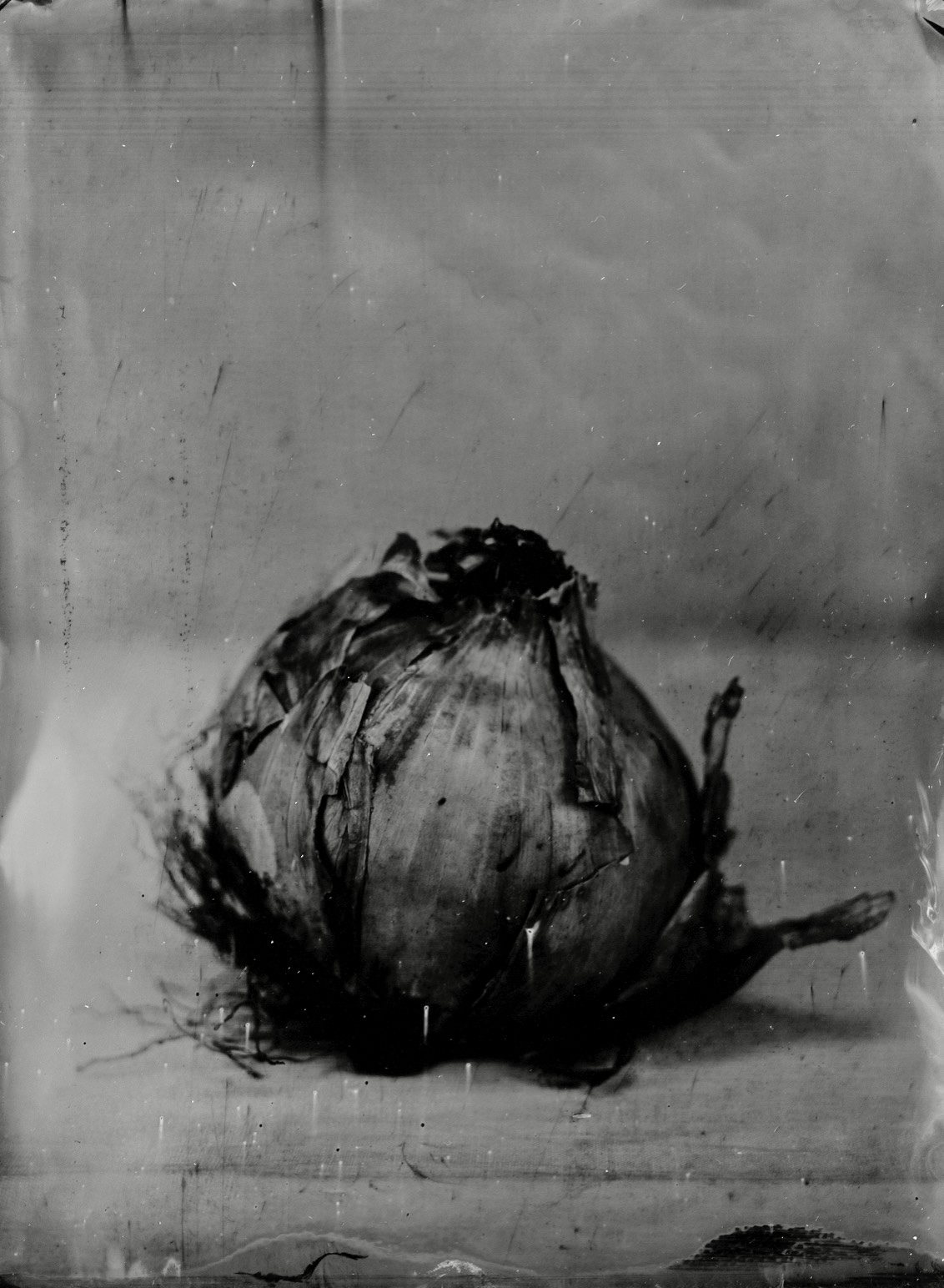
Wabi Sabi, my further thoughts. You will search in vain for wabi-sabi in a Japanese dictionary. The compound term simply does not exist. However, if you ask an educated Japanese person about wabi-sabi and what it means, they will almost certainly be able to answer.
Sabi, a word borrowed from Chinese poetry, which at that time had the meaning of deserted, desolate, sad, first appeared in Japan in the 8th century.
From the 13th century onwards, sabi had become an artistic ideal. Poetry, literature, theatre, interior design and painting were all influenced by the sabi sensibility. Sabi meant to take pleasure in what is old, worn and lonely. It was used to describe the beauty of withered things. Objects that did not match or were even incomplete were now also considered admirable.
At the end of the 15th century, the term wabi appeared in the context of the tea ceremony. Like sabi, this is also an old word from the Man'yôshû (Collection of Ten Thousand Leaves), the oldest surviving Japanese poetry anthology, and initially had a negative connotation, such as sad, lonely or desperate.
During this period, which was marked by terrible wars, wabi tea was invented in the tea room. Wabi tea rooms were small and relatively simple. They were often located in small houses surrounded by gardens, detached from the problems of the outside world. It was in this atmosphere that artistic and philosophical values emerged.
Wabi tea adopted the flair of Nô (Japanese theatre art) known as yûgen. Yûgen is the pictorial representation of otherworldliness at the intersection of being and non-being. It is that of a deep mystery, inspired by the Shintô faith. As a result, the design of the tea room was influenced by Zen, in particular the radical simplification to the point of aestheticising poverty, modesty and humility. This is because one entered a tea room upright, but left it again through a narrow opening in a humble and stooped posture.
Wabi-sabi has not yet been merged into the Japanese language. Although the impression seems obvious. Some choose sabi to describe the more tangible material qualities of wabi-like objects and choose wabi itself when describing them more intuitively/emotionally. Therefore, wabi is sometimes sabi and vice versa. Ultimately, they are interchangeable terms.
Wabi-Sabi arises from beauty on the edge of nothingness. It stems from something very difficult to perceive, something vague, delicate and subtle, which is very easy to overlook. It is precisely this elusive beauty that must be sought out.
In the overall context of wabi-sabi, all aesthetic components are interwoven.
In the Japanese representation of the creative process, things can appear very spontaneous, apart from technical or conceptual intervention. It just happens. For me, objects with wabi-sabi characteristics seem almost mystical.
Since I am posting the text right away and also adding one of my works to it, I must emphasise very clearly that there can be NO digital wabi-sabi!
Wabi-sabi is the exact opposite of the ever-advancing digitalisation of reality.
DIGITISATION IS AESTHETICALLY COMPLETELY SPIRITLESS AND HAS AN ABSOLUTELY DULLING EFFECT WHEN USED CONSTANTLY.
That is why I can only invite you to visit one of my exhibitions or arrange a visit to one of my galleries and enter into a real dialogue with my works.
The onion shown here is one of my most recent works and, for me, combines all of the characteristics described above.
This text is not faceless AI-generated text, but has come from me personally.
A book I can really recommend to you on wabi-sabi: Wabi-Sabi, Where From? Where To? by Leonard Koren